One of the most common questions owners ask is how often their dog should be professionally groomed. The honest answer is: it depends. Coat type, breed characteristics, lifestyle, and individual variation all play a part. This guide works through the main coat categories and gives practical frequency guidance for each.
It is worth being clear upfront that professional grooming frequency and home brushing frequency are two different things. Most dogs benefit from regular brushing at home between professional appointments — in some cases daily, in others once or twice a week. Professional grooming is not a replacement for home maintenance; it is the complement to it.
Understanding coat types
Before discussing frequency, it helps to understand the main categories of dog coat, because the grooming requirements differ significantly between them.
Short, smooth coats
Breeds with short, flat coats — including Labradors, Boxers, Dalmatians, Beagles, and Pugs — are often assumed to require no grooming. This is not entirely accurate. These coats shed consistently and benefit from regular brushing to remove loose fur and keep the skin healthy. However, they do not require the trimming or styling that longer coats need, which means professional appointments can be less frequent.
For short-coated breeds, professional grooming every eight to twelve weeks is generally sufficient, focused on bathing, brushing, nail clipping, and ear checks. Regular home brushing — once or twice a week — keeps shedding under control between appointments.
Double coats
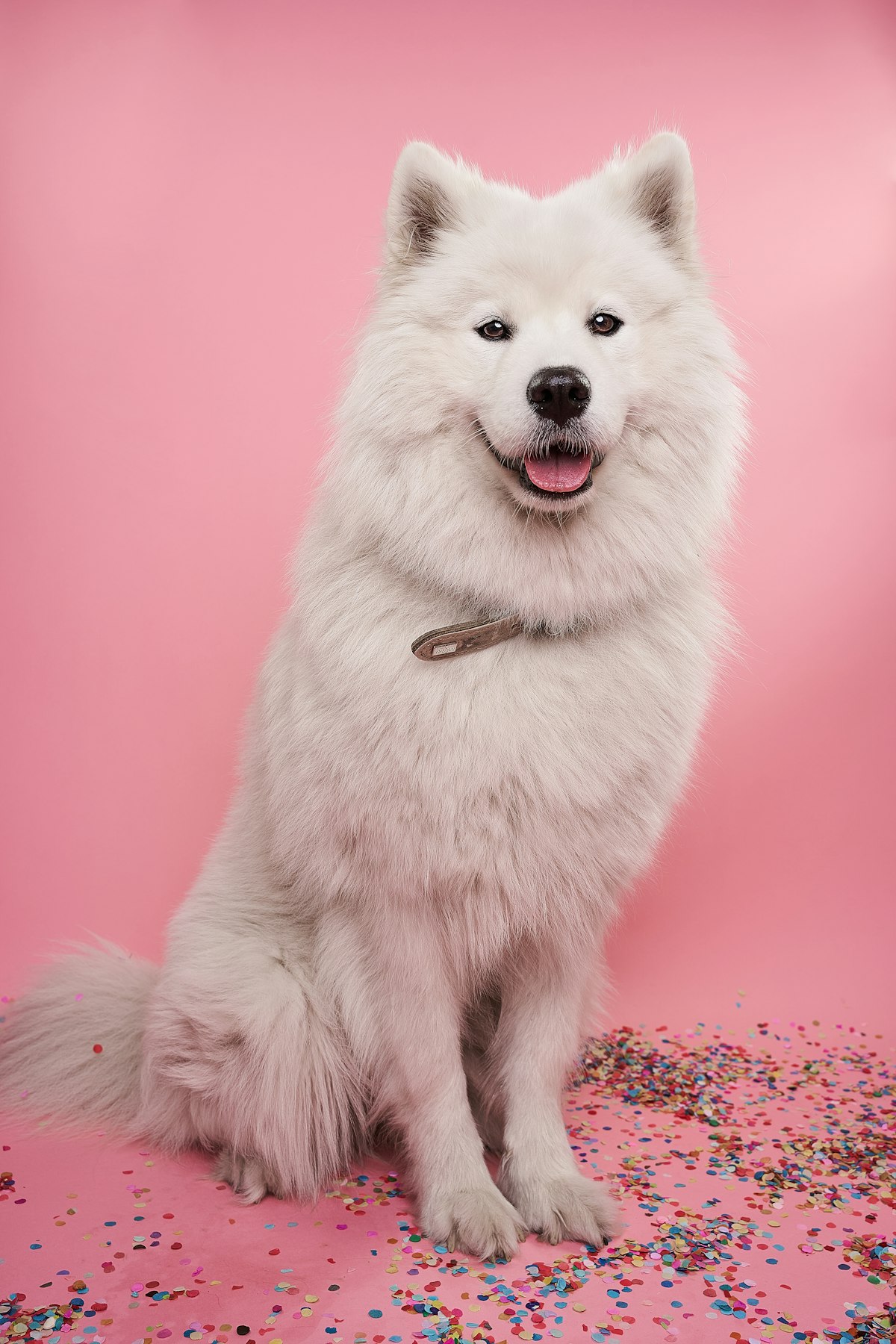
Double-coated breeds have a dense undercoat beneath a longer topcoat. This group includes German Shepherds, Border Collies, Golden Retrievers, Labradors (yes — they are technically double coated despite their short fur), Huskies, and Corgis, among others.
Double coats shed considerably, with two heavy seasonal "blowouts" — typically in spring and autumn — when the undercoat releases in large volumes. During these periods, brushing frequency needs to increase significantly, and a professional deshedding treatment can make a noticeable difference to the volume of fur shed around the home.
Outside of the heavy shedding seasons, professional appointments every six to eight weeks are usually appropriate. Home brushing three to five times per week is recommended for most double-coated breeds, with daily sessions during the seasonal coat change.
Long, silky coats
Breeds such as Yorkshire Terriers, Shih Tzus, Maltese, and Afghan Hounds have coats that grow continuously and are prone to tangling. Without regular attention, silky coats develop mats — particularly in areas with friction, such as behind the ears, under the collar, and at the armpits.
Professional grooming every four to six weeks is generally necessary for long silky-coated breeds maintained in full coat. Many owners choose a shorter, more practical trim — often called a "puppy cut" — which reduces the maintenance requirement considerably. Home brushing for these breeds should be daily, using both a slicker brush and a wide-toothed comb to work through the full length of the coat.
A mat that has been left to tighten against the skin cannot be brushed out painlessly. It needs to be carefully clipped. If you are finding daily brushing difficult to keep up with, speak to your groomer about whether a shorter trim between visits might make the home maintenance more manageable for both you and your dog.
Curly and wavy coats
Poodles, Bichon Frises, Lagotto Romagnolos, and the increasingly common "Doodle" crosses — Labradoodles, Cockapoos, Goldendoodles — fall into this category. Curly coats are generally low-shedding, which makes them appealing to many owners. However, the trade-off is that the fur grows continuously and mats very readily if not brushed frequently.
Curly-coated breeds typically require professional grooming every four to six weeks. The coat grows quickly and, unlike silky coats that mat from the outside inward, curly coats can develop tight mats close to the skin that are not always visible until they are already a problem.
Daily brushing at home is strongly recommended for Poodle crosses in particular. The fine, soft texture of the fur combines with the curly structure to create the ideal conditions for felting — a process where the coat essentially fuses together into a solid mass that is painful and distressing to deal with.
Wire-haired and harsh coats
Terriers (particularly Jack Russells, Border Terriers, and Wire Fox Terriers) and some other breeds have a rough, wiry topcoat. These coats can be maintained through hand-stripping — a technique that removes dead topcoat by hand rather than clipping, which preserves the coat texture — or simply by regular clipping. Hand-stripping is largely a show-dog practice and most pet owners opt for clipping.
Wire-haired breeds generally need professional grooming every eight to ten weeks. Home brushing two to three times a week is usually sufficient between appointments.

Seasonal shedding: what to expect
Most dogs shed more heavily in spring and autumn as their coat responds to changing day length. During these periods, even short-coated breeds can shed in what feels like extraordinary quantities. Increasing brushing frequency during these times — and considering a professional deshedding appointment — helps manage the volume significantly.
Dogs that live primarily indoors, in consistently heated homes, sometimes shed more evenly throughout the year rather than in distinct seasonal waves. Their coats respond more to the artificial lighting and temperature stability of indoor living than to external seasonal cues.
Factors beyond breed
Coat type provides a useful starting framework, but several individual factors can shift grooming needs up or down:
- Lifestyle and environment: A dog who swims regularly, runs through undergrowth, or rolls in mud needs more frequent grooming than a companion dog with a more sedate routine. Country dogs and working dogs accumulate debris in their coats that needs addressing more often.
- Age: Puppies developing their adult coat often go through a period where the transition from puppy fluff to adult fur creates a mat-prone texture. Extra brushing during this phase — typically between six and eighteen months — is usually needed. Senior dogs may also have coats that require gentler handling and different products as skin becomes more sensitive.
- Health: Hormonal conditions, skin conditions, and certain medications can affect coat quality and growth rate. If you notice sudden changes in coat texture, excessive shedding outside the seasonal norm, bald patches, or persistent skin flakiness, consult your vet rather than assuming it is a grooming issue.
- Individual variation: Within any breed, there is individual variation. Two Cocker Spaniels from the same litter can have noticeably different coat textures and densities, and their maintenance needs may differ accordingly.
A practical guide by breed category
The following is a simplified reference. These are general guidelines — your individual dog may need more or less frequent attention depending on the factors above.
- Short coats (Labrador, Boxer, Greyhound): Professional: every 8–12 weeks. Home: once or twice weekly.
- Double coats (German Shepherd, Border Collie, Golden Retriever): Professional: every 6–8 weeks. Home: 3–5 times weekly; daily during shedding season.
- Long silky coats (Shih Tzu, Yorkshire Terrier, Maltese): Professional: every 4–6 weeks. Home: daily.
- Curly/wavy coats (Poodle, Bichon, Cockapoo): Professional: every 4–6 weeks. Home: daily.
- Wire-haired coats (Border Terrier, Wire Fox Terrier): Professional: every 8–10 weeks. Home: 2–3 times weekly.
- Cocker Spaniels (working and show type): Professional: every 6–8 weeks. Home: 3–4 times weekly, focusing on ears, chest, and legs.
When to consult a groomer directly
If you are unsure about the right schedule for your specific dog, the best approach is to describe your dog's breed, coat condition, and lifestyle to a professional groomer and ask for their assessment. A good groomer will look at what is in front of them rather than giving a generic answer, and will adjust recommendations based on the actual condition of the coat rather than breed alone.
It is also worth asking during appointments for honest feedback on how the coat looks between sessions. If a groomer regularly notes that the coat is matting more than expected, or that more brushing at home would help, that is valuable information — not a criticism.